Thursday, 2 May 2019

Hurumanu - Things that Fly

                                                 Hurumanu - Things that Fly


FLIGHT

Aim: To learn about flight and aerodynamics. 

  • In your groups of 3, you will make a paper plane and measure its distance and behaviour.
  • In groups of 3, you will make a water rocket and record its distance and behaviour. 
Image result for flight forces

Definition:


4 forces of flight:

  1.   Lift
  2.    Thrust
  3.   Weight
  4.    drag
Image result for flight forcesImage result for flight forces
Paper Plane:

Material:

1.  paper
2. ruler

Steps:

1. fold the paper in half and open it up
2. take two corners and fold in the middle line
3. fold it down to its line
4.then take two top corners and fold it into the middle.
5.fold it in half and make it look like a plane with no wings
6.then u will see three corners and take the middle corner and fold it to the bottom corner and curse it to the front and back
Findings:


Plane Type
Distance
Behaviour
Normal
0.5m
lands smoothly and goes smoothly through the air
Ailerons
0.3m
it curves as soon as launched and starts doing flips
Paper clip


0.1mit falls instantly as soon as its launched 

Conclusion:

Today in science we were doing the flight and the four forces of flight are gravity, thrust, drag and left. do you know why drag races are called drag race it's because there parachute on the back of the supercars so that it holds the car back well it is driving so like drag it back? I and my partner Tobey made a plane and threw it, the first time we threw it the plane went 3.8 meters it went straight the second throw we put a paper clip on the tip of the plane and it went 3.1 meters it flew straight, the last throw we did we made flaps in the plane and it went 2.8 meters and in the air it swooped the one that flew the furthest was when we threw it the first time maybe because nothing was done to it like nothing had to be changed on the plane the definition of flight is the action or the process of the flying through the air.


Tuesday, 30 April 2019

Ginger beer

Aim: To look at how yeast is used in foods.

Equipment

  • Mortar and pestle
  • Large spoon ​
  • Kettle for warm water
  • Large bowl or jug
  • Sieve and funnel for straining liquid into bottles
  • Plastic (PET) bottle and cap. 

Materials


Bug ( for 5 Litres)
  • Warm water
  • 2 tsp active dried yeast
  • 2 tsp sugar
  • 2 tsp ground ginger
Ginger beer ( for 1 Litre)
  • 3/4 cup sugar
  • 1/2 tsp cream of tartar
  • 200L warm water 
  • 1L cold water
  • Juice of 1/2 lemon, strained
  • 1 tsp ginger beer bug.

    Method

    1. In a large bowl, put the sugar and cream of tartar, then add the warm water. 
    2. Stir to dissolve the sugar before adding the cold water. 
    3. Get your ginger bug and pour all the liquid (not the sludge in the bottom) into a bucket and add the lemon juice.
    4. Stir well and then pour into your clean bottle.
    5. Store in a cool, dark place for two weeks before drinking.
    6. Make sure you open the bottle in the kitchen sink as it might overflow. Open the cap bit by bit to allow the air to escape.
    • The ginger beer must be drunk over the 6 days
    • You must bring the bottle back to school next term.

    Friday, 12 April 2019

    Science

    Aim: To see which chemical 
    mix creates the most gas.

    Hypothesis: (What do I think will happen)

    aw
    Materials:
    1. Balloon 
    2.  salt and vinegar
    3.  bottle
    4. funnel
    5.  water
    6.  yeast
    Steps:
    1.  put the vinegar in the bottle with the funnel 
    2. Put the baking soda and sugar in the balloon with the funnel 
    3. put the balloon on the bottle and shake the balloon so then the things can go inside the balloon
    4. Now you put water in the bottle
    5.  and then see how the magic happens
    My images:


    Findings:

    we found out that all the sizes of the balloons are different.


    Balloon 1
    ( 3 tsp baking soda, ½ cup vinegar)
    Balloon 2
    ( 3 tsp salt, ½ cup soda)
    Balloon 3
    ( 2 tsp yeast, 1 tsp sugar )
    Balloon Size (cm)


    Bubbles


    Friday, 5 April 2019

    Rainbow skittles

    In science, Mr. Tisch taught our class a science project this is what happened


    Skittles

    Aim: To separate colours from skittles by using the chromatography.

    Materials;

    1. Skittles 
    2. Peatree dish 
    3. 
    4. 
    5. 
    6. 

    Process:

    Step 1: separate the skittles
    Step 2: pour normal cold water in the peatree dish
    Step 3: and watch it evolve
    Step 4:
    Step 5:
    Step 6:

    Conclusion: What have I learnt from this experiment?

    we learned that if we mix all of this it would turn orange and the water tastes nice


    Rainbow paper

    in science we are doing an experiment right now we have a cup and a piece of chromatography paper we have felt pens as well.


    Materials:

    chromatography paper 

    Cup

    Felt pens


    Process:

    Put two dots on your piece of paper 

    Then put your piece of paper on the side of your cup so then more than half of your paper is in the cup

    Then pour normal cold water in the cup you should see the color sliding down the piece of paper

    It looks kinda cool aye...


    ............


    Aim: To separate colors by using the process of chromatography.


    Definition: Chromatography is a method of separating out materials from a mixture.
    Eg. blood, ink, drugs,

    Scenario
    A crime has been committed. The police have a signed cheque and a letter from the same crime scene but it seems like the handwriting is different. They have 3 suspects but not enough evidence. They need to know if the letter and the cheque were written by the same person.

    How do they tell if the pens used for both of these pieces of evidence are the same?

    Related imageRelated imageImage result for chromatography


    Rainbow paper

    Materials;

    1. 
    2. 
    3. 
    4. 
    5. 
    6. 

    Process:

    Step 1:
    Step 2:
    Step 3:
    Step 4:
    Step 5:
    Step 6:

    Conclusion: What have I learned from this experiment?

    Skittles

    Aim: To separate colors from skittles by using the chromatography.

    Materials;

    1. 
    2. 
    3. 
    4. 
    5. 
    6. 

    Process:

    Step 1:
    Step 2:
    Step 3:
    Step 4:
    Step 5:
    Step 6:

    Conclusion: What have I learned from this experiment?


    Thursday, 4 April 2019

    Stop-motion

    At our school, we are learning about stop-motion and we are going to make a movie about it. At the moment this is what we have planned...


    We are going to make a stop motion video with a whiteboard. It is going to be fun and challenging...

    Tuesday, 2 April 2019

    Home Chemisry


      Aim: To learn the names of 10 household chemicals and identify if they are a solid, liquid or a gas.


      Definitions:

      1. Element; A single form of a chemical 
      2. Compound: A mixture made up of 2 or more elements
      3. Reaction: A process in which chemicals mix together to form a new substance.
      4. Mixture: When two or more elements are mixed together.

      Equipment:

      1.     
      2.   
      3.   
      4.   
      5.   
      6.   
      7.   
      8.  
      9.  

      Steps:

      1.
      2.
      3.
      4.

      Repeat the steps for all the chemicals.

      Task 1: Put the 10 chemicals in a chart with the titles - Name, Chemical ingredient(s), Image, Solid/Liquid/Gas.


      Name

      Chemical

      Image

      Solid/Liquid/Gas

      Salt
      Sodium Chloride
      Solid

      CONCLUSION: ( WHAT DID YOU LEARN OR SEE)


      Name
      Chemical
      Image
      Solid/Liquid/Gas
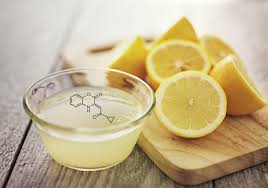
      Lemon juice
      citric acid
      Image result for lemon juice chemical image


      Name
      Chemical
      Image
      Solid/Liquid/Gas
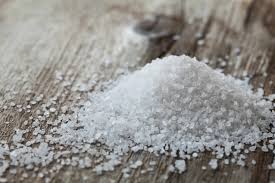
      salt
      sodium
      Image result for salt


      Name
      Chemical
      Image
      Solid/Liquid/Gas
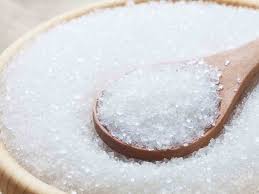
      sugar
      Sucrose
      Image result for sugar


      Name
      Chemical
      Image
      Solid/Liquid/Gas
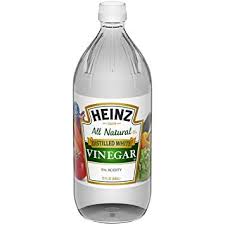
      vinegar
      Acetic acid
      Image result for vinegar


      Name
      Chemical
      Image
      Solid/Liquid/Gas
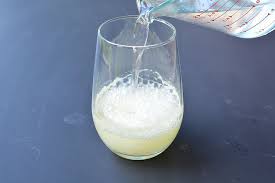
      Lemonade bubbles
      Carbon dioxide
      Image result for lemonade bubble Chemical name


      Name
      Chemical
      Image
      Solid/Liquid/Gas
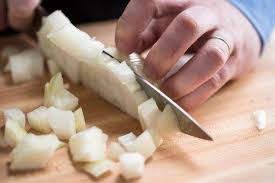
      Onion  gas
      Sulfinic acid
      Image result for onion gas Chemical name


      Name
      Chemical
      Image
      Solid/Liquid/Gas
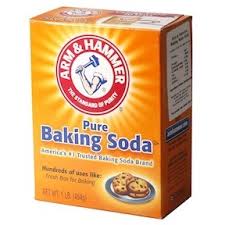
      Baking soda
      Sodium hydrogen carbonate
      Image result for baking soda Chemical name


      Year 10 Writing Portfolio (English)

      For my English Portfolio, I am adding my favourite writing work that I've accomplished this year. My work is getting better over time an...